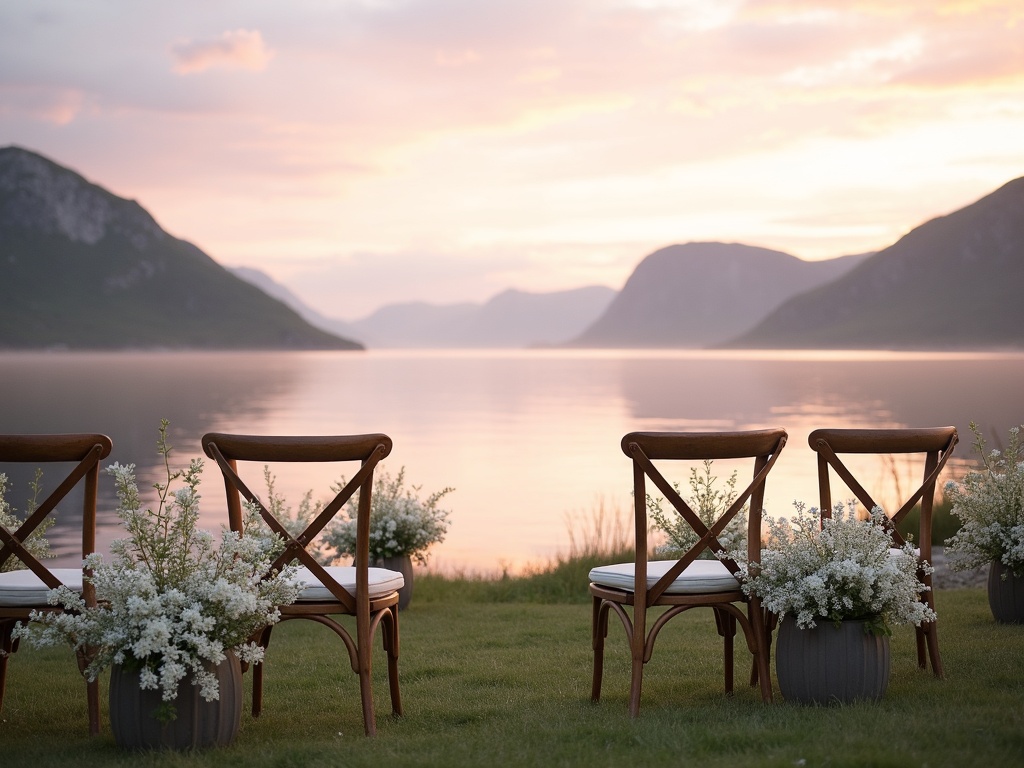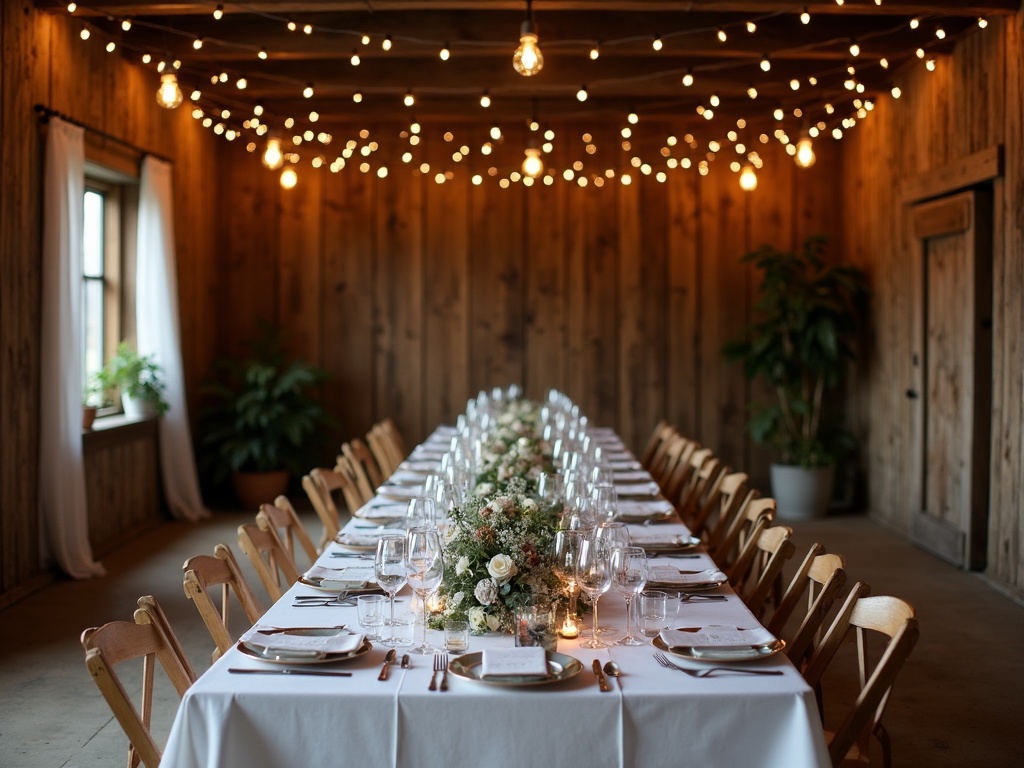
Thirty chairs. A long table instead of a ballroom. Flowers you actually chose rather than a package deal. The weddings people remember most — the ones guests talk about for years — are rarely the ones with 200 place settings and a DJ who plays 'Mr. Brightside' at 11pm. They're the ones where everything felt considered.
Why Fewer Guests Changes Everything
The maths of a large wedding are brutal. Every guest you add costs money, yes, but it also costs attention. You spend your reception doing rounds, thanking people you haven't seen in a decade, and suddenly the day belongs to logistics rather than the two of you.
An intimate wedding — typically under 30 guests — flips that equation. You can afford a better caterer, a more interesting venue, and a longer dinner because you're not feeding a small village. More importantly, you're surrounded only by people who genuinely know and love you, which changes the entire atmosphere of the room.
This isn't a trend born of budget constraints. Plenty of couples with generous budgets are choosing the micro wedding format precisely because it gives them more control over the experience. When you're not managing scale, you can manage quality.
Venues That Work Harder for Small Numbers
The conventional wedding venue — the country house hotel, the function suite — is designed for volume. It needs 80 covers to look full. With 28 guests, you'll rattle around in it.
Instead, think about spaces that have a reason to exist beyond hosting weddings. A private dining room at a restaurant you love (Quo Vadis in London, for instance, or a chef's table at a local favourite) seats 20–30 beautifully and comes with food that's actually good. A winery, a bookshop after hours, a greenhouse nursery, a rooftop terrace — spaces with inherent character don't need decorating into submission.
For couples drawn to an elopement style but who still want a handful of witnesses, a national park permit or a private garden hire can cost a fraction of a traditional venue while delivering something genuinely memorable. The key question to ask any venue: does this space feel like something, or does it only work when it's full?
Where to Spend, and Where to Let Go
A smaller guest list frees up budget, but that doesn't mean spending it everywhere. Being deliberate about where the money goes is what separates a great small wedding from a merely small one.
Spend on:
- The meal — a long, generous dinner with good wine is the centrepiece of an intimate celebration
- Photography — one excellent photographer, no second shooter needed
- Flowers — fewer arrangements, but make them extraordinary
- The experience — a musician for the ceremony, a custom cocktail, a late-night cheese board
Skip the things that exist to manage scale: the wedding coordinator for a venue you don't need, the photo booth that entertains guests you're not spending time with, the elaborate seating chart for a table that seats everyone.
With 28 guests, you can personally welcome every single person. That's the detail that no budget line can manufacture.
Writing the Invitation When the List Is Tight
This is where intimate wedding planning gets genuinely uncomfortable for most couples. The guest list isn't just a number — it's a series of decisions about relationships, and people notice when they're not included.
The invitation itself needs to carry some of that weight. Avoid wording that sounds like an apology ('we're keeping things very small') and instead frame the occasion for what it is: intentional. Something like 'We're celebrating with our closest people — and you're one of them' lands very differently than language that implies exclusion.
On Venito, you can send digital invitations that include a personal note to each guest alongside the shared event details — a small thing that makes the invitation feel like it was written for that person specifically, not broadcast to a list. When your guest count is this low, that level of care is both possible and expected.
Be honest with people who ask why they weren't invited. 'We kept it to immediate family and a handful of close friends' is a complete answer. You don't owe anyone a detailed breakdown.
Bringing Distant Family Into the Day
Even with a tight list, there are usually people — a grandparent who can't travel, cousins overseas, old friends in different time zones — who matter to you and won't be in the room. Ignoring them entirely feels wrong. Overcorrecting with a full livestream can feel performative.
The middle ground is more personal than either. A short video message sent the morning of the wedding, a photo shared within hours of the ceremony, or a small celebration hosted locally by a family member for those who couldn't travel — these gestures acknowledge the relationship without turning your wedding into a broadcast event.
Some couples send a small memento after the fact: a printed photo, a piece of wedding cake, a handwritten note. It's an old-fashioned instinct that still works. The people who love you want to feel remembered, not just informed.
Small wedding ideas often focus on the day itself, but the way you communicate before and after matters just as much. A wedding with 28 guests can have a reach far beyond the room — it just requires a little more thought about how you extend it.