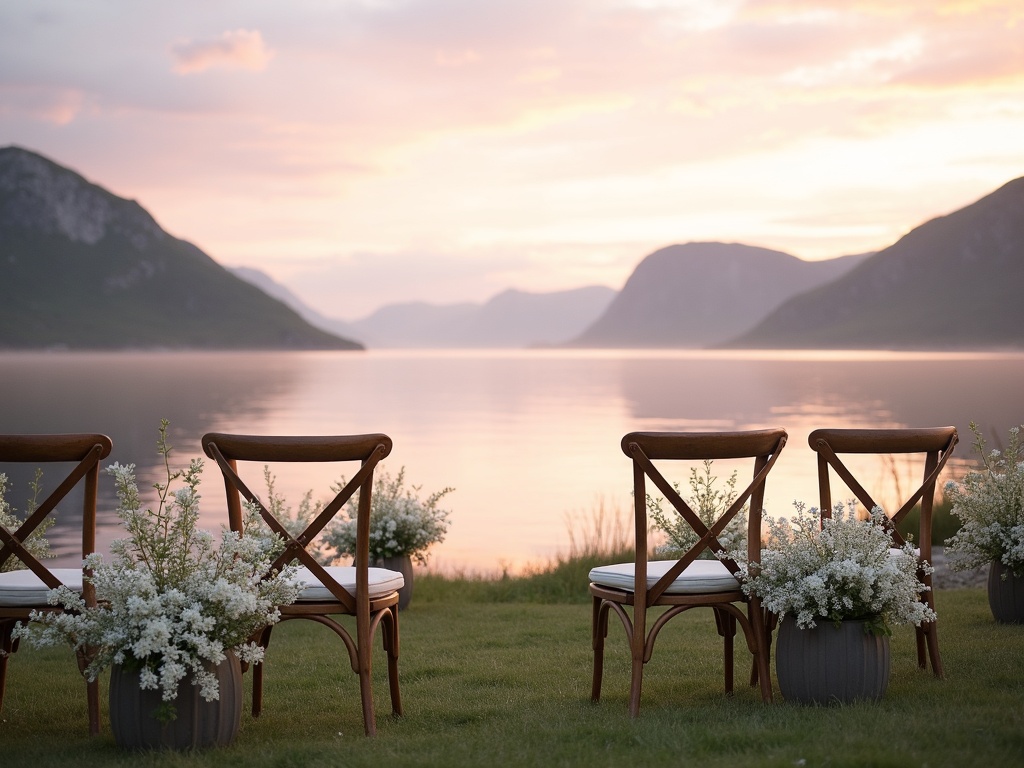
There is a moment, somewhere around 11 p.m. on a June evening in western Norway, when the sky turns the colour of a ripe peach and refuses to go dark. Guests are still at the table. Someone has refilled the aquavit. Nobody wants to leave. If you are planning a wedding in Norway this summer, that moment is entirely achievable — but getting there takes more preparation than most couples expect.
Why Summer Is the Only Season That Makes Sense
Norway is a country of dramatic seasonal extremes. Winter weddings exist, and some couples love them, but the logistics — short days, unpredictable road closures, guests flying into Bergen or Oslo in January — stack the odds against you. Summer, specifically late May through early August, is when the country opens up. Ferries run on full schedules, mountain passes are clear, and the population collectively exhales after months of darkness.
For international guests, summer also means Norway is at its most legible. Outdoor terraces are in use, coastal villages are accessible, and the infrastructure that supports large gatherings — catering companies, florists, hire firms — is fully staffed. If you have family flying in from the US, Australia, or anywhere that requires a long-haul connection, a summer date is simply the kindest choice you can make for them.
Picking the Date — and Reading the Light
A midnight sun wedding sounds romantic in the abstract, but it requires a specific decision: do you want the sun to actually be above the horizon at midnight, or do you just want very long days? True midnight sun — the sun visibly above the horizon at 12 a.m. — only occurs above the Arctic Circle, in places like Tromsø or the Lofoten Islands. South of that line, including Oslo, Bergen, and the fjord regions, you get something almost as striking: a sky that never fully darkens between late May and mid-July, with civil twilight lasting all night.
For most couples, the practical sweet spot is mid-June to early July. The weather is statistically warmest, the light is extraordinary, and accommodation hasn't yet hit its August peak pricing. Avoid the last week of June if possible — Midsummer (Sankthans) falls on 23 June, and hotels and venues book out months in advance. The first two weeks of July are often underrated: slightly quieter, still spectacular.
One thing to plan around honestly: Norwegian summer weather is not Mediterranean. Bergen is one of the rainiest cities in Europe. Build a covered contingency into any outdoor plan, not as a backup, but as an equal option.
The Bunad Question
If you are marrying a Norwegian partner, or if your guest list includes Norwegian family, you will encounter the bunad — the traditional regional folk costume worn at major celebrations. A bunad wedding, in the sense of a celebration where many guests arrive in their regional dress, is genuinely beautiful and increasingly common even at modern weddings. But it comes with etiquette that international hosts should understand.
A bunad is not a costume. Each one is specific to a region, often hand-embroidered, and can cost upwards of 30,000 NOK. Guests who own one will want to wear it; guests who don't should never be made to feel they need one. If you'd like to invite bunad-wearing without making it a dress code, a simple line in your invitation — "Norwegian traditional dress warmly welcomed" — strikes the right note. Never list it as required attire.
For the couple themselves: wearing a bunad as a non-Norwegian is a conversation worth having with your partner's family before you commit. In most cases, genuine interest is received warmly. Treating it as a costume is not.
Venues: From Fjordside Farms to City Registries
A fjord wedding is the image most people arrive with, and the reality does not disappoint — but "fjord venue" covers an enormous range. Hardangerfjord has several farm estates that host weddings, including Ullensvang and the area around Lofthus, where cherry orchards run down to the water. Nærøyfjord, a UNESCO World Heritage site, has stricter event permissions but rewards the effort. In the north, Geirangerfjord is iconic but logistically demanding for large guest lists.
City options are worth considering seriously. Oslo City Hall — yes, the building where the Nobel Peace Prize is awarded — hosts civil ceremonies and has a grandeur that surprises people who haven't been inside. Bergen's historic Bryggen district has several venues within walking distance of the wharf. For something smaller, the wooden churches scattered across rural Norway (stavkirke-adjacent, though the original stave churches are protected) offer an atmosphere that no hotel ballroom can replicate.
Book your venue before anything else. Popular fjordside locations fill 18 months out. If you are working with a shorter timeline, city venues and late-season dates (late July into August) are your most realistic options.
RSVPs, Language, and Keeping Everyone Informed
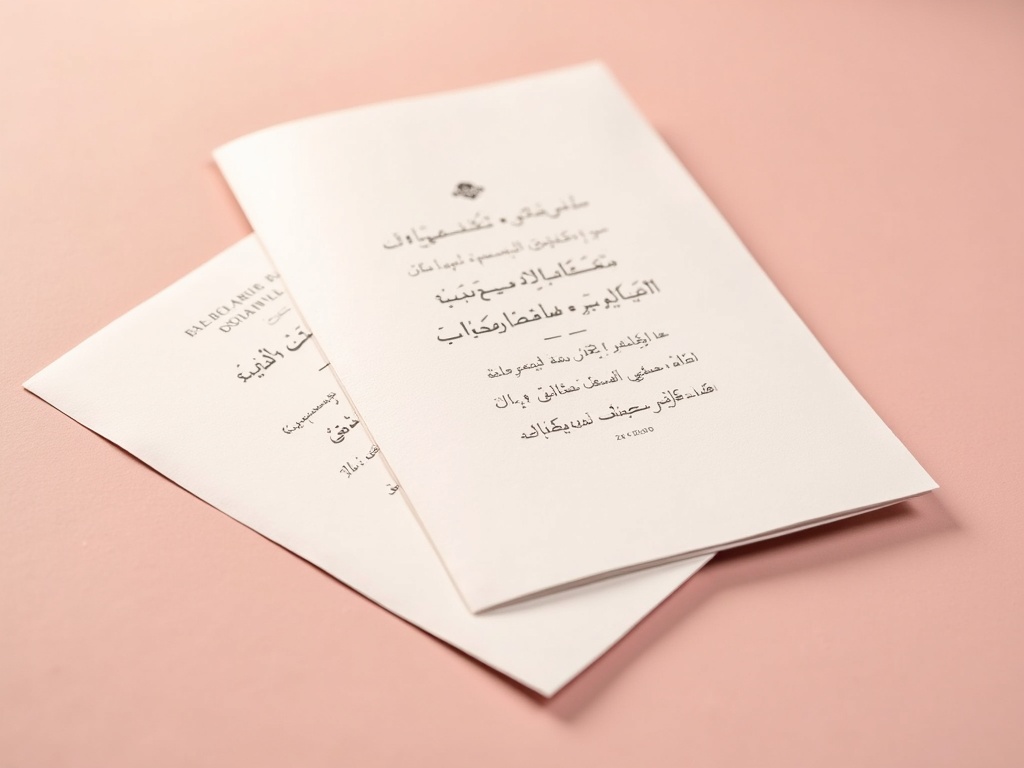
A Norwegian wedding with an international guest list means two languages in play from the start. Invitations, RSVP forms, and day-of programmes should be bilingual — Norwegian and English — as a baseline. This is not just courtesy; it prevents the quiet confusion that happens when guests can't parse dietary questions or ceremony timings.
Norwegian RSVP culture leans formal: a clear deadline, a clear method, and an expectation that people will actually respond by it. International guests, particularly from cultures where RSVPs are treated as suggestions, may need a gentle follow-up. Building a two-week buffer into your RSVP deadline — closing responses three weeks before you actually need the numbers — gives you room to chase without stress.
Venito's bilingual invitation and RSVP tools are built for exactly this situation: you set one deadline, guests respond in their preferred language, and the responses land in a single dashboard. It removes the spreadsheet-juggling that otherwise eats a week of your planning time.
Your Three-Month Playbook
The closer you get to the date, the more specific the decisions become. Here is a practical sequence:
- **12+ months out:** Secure venue, set date, confirm legal requirements (Norway requires notice of marriage at your local registrar; non-residents have additional paperwork)
- **9 months out:** Book accommodation blocks for guests; fjord-region hotels fill fast in summer
- **6 months out:** Send save-the-dates; begin bilingual invitation design
- **3 months out:** Send formal invitations with RSVP deadline; confirm catering, photographer, and any transport logistics (ferries, shuttle buses)
- **6 weeks out:** Chase outstanding RSVPs; finalise menu numbers; brief your officiant on any bilingual ceremony elements
- **2 weeks out:** Send guests a practical information note — nearest airports, local transport, what to pack (layers; always layers)
- **The week before:** Confirm all supplier timings in writing; prepare a printed day-of schedule for your wedding party
The midnight sun will do its part. The peach-coloured sky at 11 p.m. is not something you have to engineer — it simply happens. What you are planning for is everything that lets your guests be present enough to notice it.